Cinderella and Tattoos, Mumming and Slenderman: What Even IS Folklore?
May 26, 2026
Last week, we gave a talk for a group of brand executives on the Grimms’ witches. (What even is our lives? Also, if you want to hire us for a talk for your organization, you can find our list o’ presentation topics here.)
It was an amazing audience, and they had a lot of insightful questions. At the end, one of the participants said, “This has made me realize I had no idea what folklore actually is!”
Honestly, kudos to her for saying so because most people don’t. Mostly because folklore is an absolutely massive topic that spans the stuff people are primed to expect (Fairy tales, legends, myths, and ye old stories! Quilts and other traditional crafts! Old and occasionally obscure rituals) AND stuff that people generally do not expect (Fan culture and fanfiction! Your own folklore, both family stuff that’s been passed down and new traditions that you’ve created yourself! The ever-ballooning world of internet folklore!)
Folklore is a broad discipline, and folklorists study all kinds of different things. We (Sara and Brittany) mostly study folk narrative (stories that are part of folklore), but we also work with bodylore (folklore of the body and how we decorate it), foodways (the study of food culture and food traditions), and games (see: TAROT.)
What’s absolutely key to understand is that folklore helps shape the life of every single person on this planet. Including you. It’s a massive topic, so buckle up and welcome to our crash course on our very favorite subject.
So what is folklore?
Folklore is part of the fabric that makes up our everyday experiences – it is informally learned and has some sort of artistic dimension. Dr. Lynne McNeill provides a wonderfully bite-sized definition in her book Folklore Rules, identifying folklore as “informal, traditional culture.” Basically, it’s the stuff that we learn unofficially, or outside of school or work. Perhaps the most famous definition of folklore is still Dr. Dan Ben-Amos’s “artistic communication in small groups,” which just means that folklore is how people who know each other well talk to each other and create meaning together. Dr. Martha Sims and Dr. Martine Stephens write that “folklore is informally learned, unofficial knowledge about the world, ourselves, and our communities, our beliefs, our cultures, and our traditions that is expressed creatively through words, music, customs, actions, behaviors, and materials. It is also the interactive, dynamic process of creating, communicating, and performing as we share that knowledge with other people.”
To boil this all down: folklore is the traditional knowledge we use to understand, navigate, and make sense of the world around us, and it’s also part of how we entertain ourselves, communicate, and channel our creativity.
We think our PhD advisor Dr. Ray Cashman really got to the heart of the matter when he once casually said that “folklore is things that go well with beer.”
This might sound ridiculous, but humor us for a minute: if you’re drinking beer, you’re probably at some kind of informal gathering with friends and family. You might be celebrating a holiday or birthday, playing a game, listening to music, or dancing – all activities that foster the creation or enactment of folk traditions.
“Now hold up, Sara and Brittany,” you might be thinking. “Isn’t folklore OLD stuff? Ancient traditions? Things people have been doing or saying or stories that have been told for hundreds of years?”
And we would say “Well, yes and no.” And your eyes might roll out of your head.
SERIOUSLY THOUGH, YES AND NO! Because, yes, part of folklore is absolutely these old traditions and stories – folklore is mumming, and elders telling tales they heard from their elders, and proverbs, and traditional quilting. But it’s also graffiti, Slenderman, internet memes, and your Friday night gaming group. It’s how you talk to your family and your best friend, and the inside jokes that add dimension to your relationships. Folklore is not just old traditions that never change – it’s actually about the tension between old and new, static and change (shout out to Dr. Barre Toelken!) It’s about forging a connection between the past and the future. In fact, folklore must evolve to stay alive – if it never changes, it’s much more likely to die out because it no longer reflects current culture.
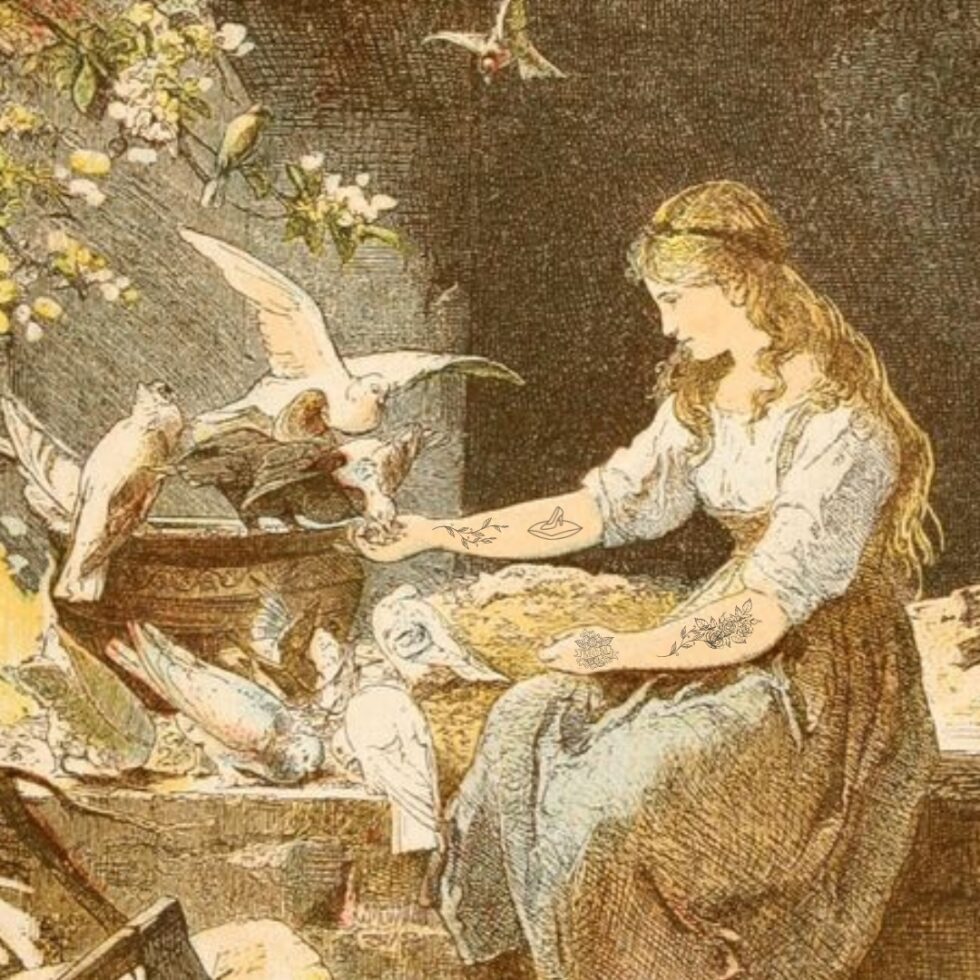
For example, think about the story “Cinderella.” It’s been around for over a thousand years, and in one of its oldest versions, it’s about a young Chinese girl who wishes on magic fishbones in order to meet the prince. Cinderella is still being told and retold all over the world today, and sometimes her shoes are made of glass, and sometimes her foot is made of computer bits, because she is a cyborg. Cinderella stories reflect the past while having enough flexibility to accommodate the present and adapt to the future.
So say it with us now: folklore is informal, traditional culture. It’s both old and new, and we all make it and interact with it every single day. It can be fairy tales and jokes, legends and ballads, food and tattoos, a lucky hat, a secret handshake, or saying “Bloody Mary” three times in front of your mirror with all the lights off and then screaming like a banshee when your cat startles you, turning on all the lights and hyperventilating… not that we’ve done that, personally.
Folklore is everywhere, and it shapes your life and the world we live in. It’s pretty cool. And it’s worth studying.
P.S. We have some crazy awesome news too: our series Urban Legends Explained won a Gold People’s Telly Award AND a Bronze Telly Award from their panel of judges!!! (For context, other Bronze winners included the Smithsonian’s Air and Space Museum and the National Civil Rights Museum!!) Thank you SO MUCH to everyone who voted for us – you helped us win the Gold!
You can stream the series (and our other Great Courses series on Dracula) with a free trial. Seriously, there’s SO MUCH in there about how folklore works, especially legends, especially in our contemporary world. And would you do us a favor? If you loved it, would you please leave us a short review? Help us celebrate these wins!

That’s awesome – congratulations on your win!!