Horse Heads and Goat Legs!
May 19, 2026
Now that we’re officially done with our 50,000 tarot emails and back to our regular scheduled programming, we’re dying to know… what would YOU like that regular scheduled programming to actually entail? We of course have some ideas, but we’d love to hear from you directly: what would you most love to see hit your inbox/blog feed on Tuesdays?
Would you love more folklore tidbits, like the difference between myths, legends and fairy tales? More from us personally – like maybe more “Curiosities” posts where we write about what we’re currently reading and generally up to? Do you want film or tv show reactions? Glimpses into bits of fairy-tale history or fairy tales themselves? Stories about grad school and other adventures? Specific types of book recommendations?
Reply in the comments or email us and let us know. We genuinely want to hear from you, and we’ll personally read all the responses!
For now, we thought we’d share two new-to-us fae creatures.
One of the best things about doing live, in-person lectures is getting to talk to the audience after, whether during the official Q&A or when we talk to the people who come up to us to chat after the talk is over.
(As a side note, we welcome both – we love doing Q&As addressed to everyone in the audience, but we also know that some people are hesitant about asking questions or making comments in front of others and would prefer to do it after the talk is over and just to us. Either way is totally fine!)
At the last live Profs and Pints Brittany did earlier this month, on “Terrors of Irish Fairylore,” two people separately came up and mentioned a fae-like creature from their own cultures that neither of us had heard of before.
We love when people share folklore, especially folklore from their own backgrounds, and it’s so exciting to come across new-to-us fairy creatures (they really seem to be infinite!) Both of these were especially delightful to Brittany, as her favorite fairy type is definitely the seductive scary ladies type (one of her dissertation chapters was even about this!)
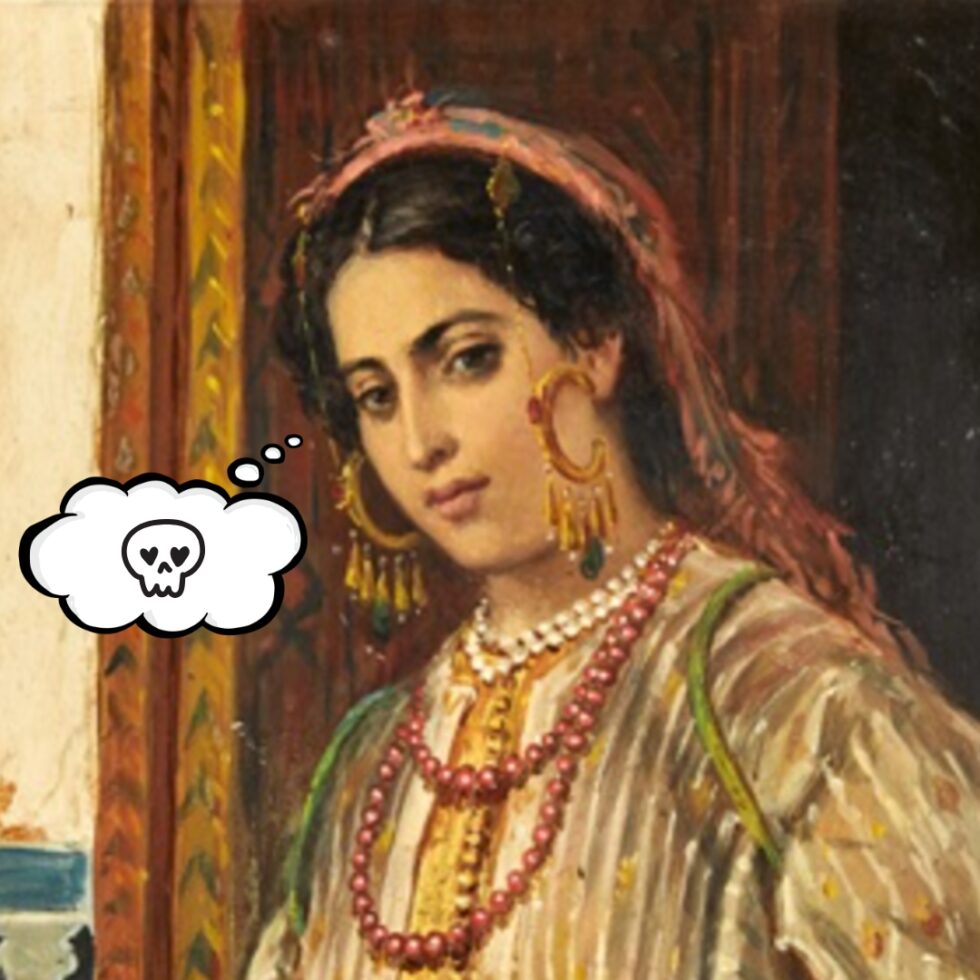
The first one mentioned was La Cigua Naba from El Salvadore, also known as Siguanaba and a few other names throughout Central America. This spirit is a shapeshifter who looks like a beautiful woman with long hair when you’re behind her, but then she turns around and either has the face of a skull or a horse! She’s generally thought to have a connection to water, and her main goal seems to be to seduce men into being unfaithful to their wives/girlfriends and to then punish them for that infidelity (though sometimes she’s after lost children too.) In a specific Salvadoran legend, she was once a beautiful woman who was cursed after trying to steal the throne for one of her lovers. Interestingly, the woman from El Salvadore who told Brittany about La Cigua Naba had the impression that she specifically went after artists and functioned a bit like an energy vampire, much like the Leanan Sidhe of Irish folklore (which Brittany had discussed in her talk.) We couldn’t find anything about her serving in that “artistic muse” role in our initial search, but we love that that was part of the folklore she knew!
The other seduction spirit Brittany was told about is the Aisha Qandisha from Morocco. She too appears to be a very beautiful water spirit but, when you get close, you realize she actually has the legs and hooves of a goat or a camel! She’s typically depicted as wearing a long dark cloak to conceal her legs and thus seduce men, drive them insane, and/or kill them. The woman who spoke to Brittany about it said that her Moroccan father actually believed he had seen Aisha Qandisha once… and was lucky to have survived the encounter!
Some now believe that Aisha Qandisha may have been inspired by a historical figure, a resistance-fighter or even a countess who resisted Portuguese occupation in the 16th century by seducing soldiers and luring them to an isolated place where she would either kill them herself or Moroccan soldiers would. If she was indeed inspired or influenced by a historical figure, the question then becomes were the supernatural elements added by fans as a way of amplifying her power, or by the Portuguese colonists who wanted to demonize her? If you want to read more about this figure from a Moroccan writer, definitely check out this article!
Both of these fairy temptresses would have been right at home in the “Fairies of Seduction” section of our book Fairylore! Maybe one day we’ll get to do volume two? ;).
P.S. Have you read Fairylore yet? If you have and loved it, we’d be SO GRATEFUL if you’d leave us a review on Amazon or the platform of your choice.

Add A Comment